13. 10.
Martin Voříšek (České Budějovice)
Schwarzenberská dechová harmonie – nové postřehy a poznatky
Poslední třetina 18. století je obecně považována za nejvýznamnější období hudebního života na schwarzenberském dvoře, k čemuž významně přispívala také činnost knížecí dechové harmonie (aktivní zhruba v letech 1767–1800). Členové tohoto osmičlenného ansámblu patřili k nejvýznamnějším vídeňským instrumentalistům; někteří z nich působili v dvorních divadlech a po roce 1782 také v císařské harmonii. Navíc jak samotný soubor, tak hudební úpravy jeho člena Jana Venta podstatně přispěly k definici žánru „Harmoniemusik“ a k jeho popularitě mezi tehdejšími společenskými elitami.
10. 11.
Greg Johnson (University, Mississippi, USA)
Capturing the Moment: Live Performance Recordings as Primary Sources
Live music performances offer unique evidentiary value beyond that of studio recordings. Responding to audience interactions, musicians frequently take extended instrumental solos, modify lyrics to address current events, or perform with varying intensity. Consequently, live audiovisual recordings significantly expand the corpus of primary sources available to researchers. For over forty years, the Blues Archive at the University of Mississippi has collected such recordings across various formats. This lecture examines the Archive’s efforts in collecting these materials, its methodologies for directly documenting concerts, and its initiatives to make these collections broadly accessible. Finally, the discussion explores how such archival materials deepen our understanding of regional blues styles and their global cross-influences.
1. 12.
David Thurmaier (Kansas City, Missouri)
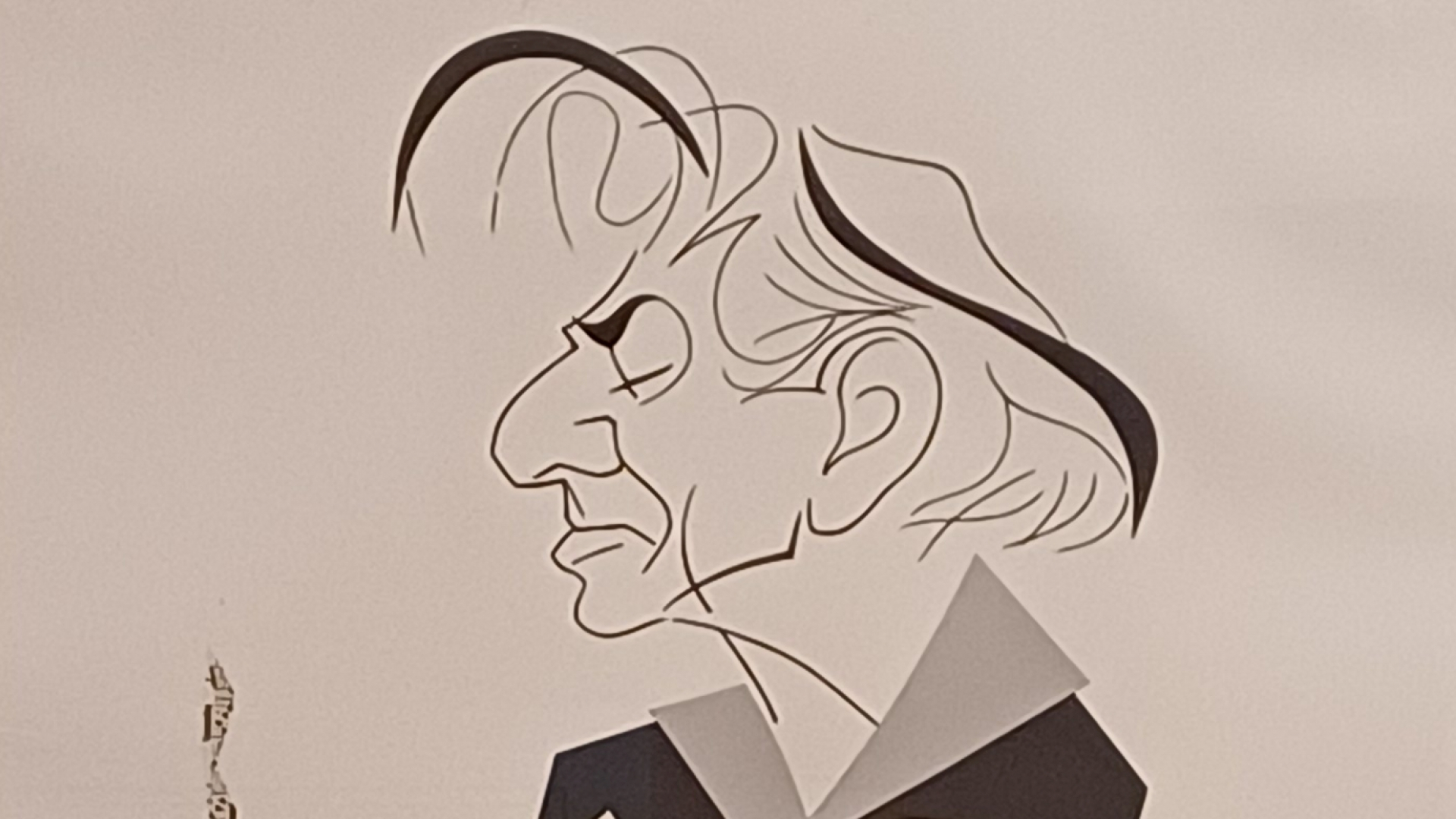
Leonard Bernstein and Czechoslovakia: Presence, Absence, and Reception, 1946–1990
Leonard Bernstein’s engagement with Czechoslovakia directly paralleled the country’s modern political transformation. Making his European conducting debut at the 1946 Prague Spring festival, he led the Czech Philharmonic in an all-American program that included his own First Symphony. Following a 1947 visit, he did not return until 1990 for one of his final concerts. Throughout the communist decades, Bernstein recorded extensively from the Czech symphonic repertoire despite his physical absence. Meanwhile, his stage works were introduced independently: West Side Story reached Czech audiences in censored translation by the late 1960s, and Candide premiered in Brno in 1980, during the Normalization era. Drawing on documentary and musical analysis, this lecture will demonstrate how Czech music and audiences shaped one of the twentieth century’s most significant musical figures.
When
vždy v úterý v 17 hodin
Where
Muzikologická knihovna ÚDU AV ČR,
Puškinovo nám. 9, Praha 6