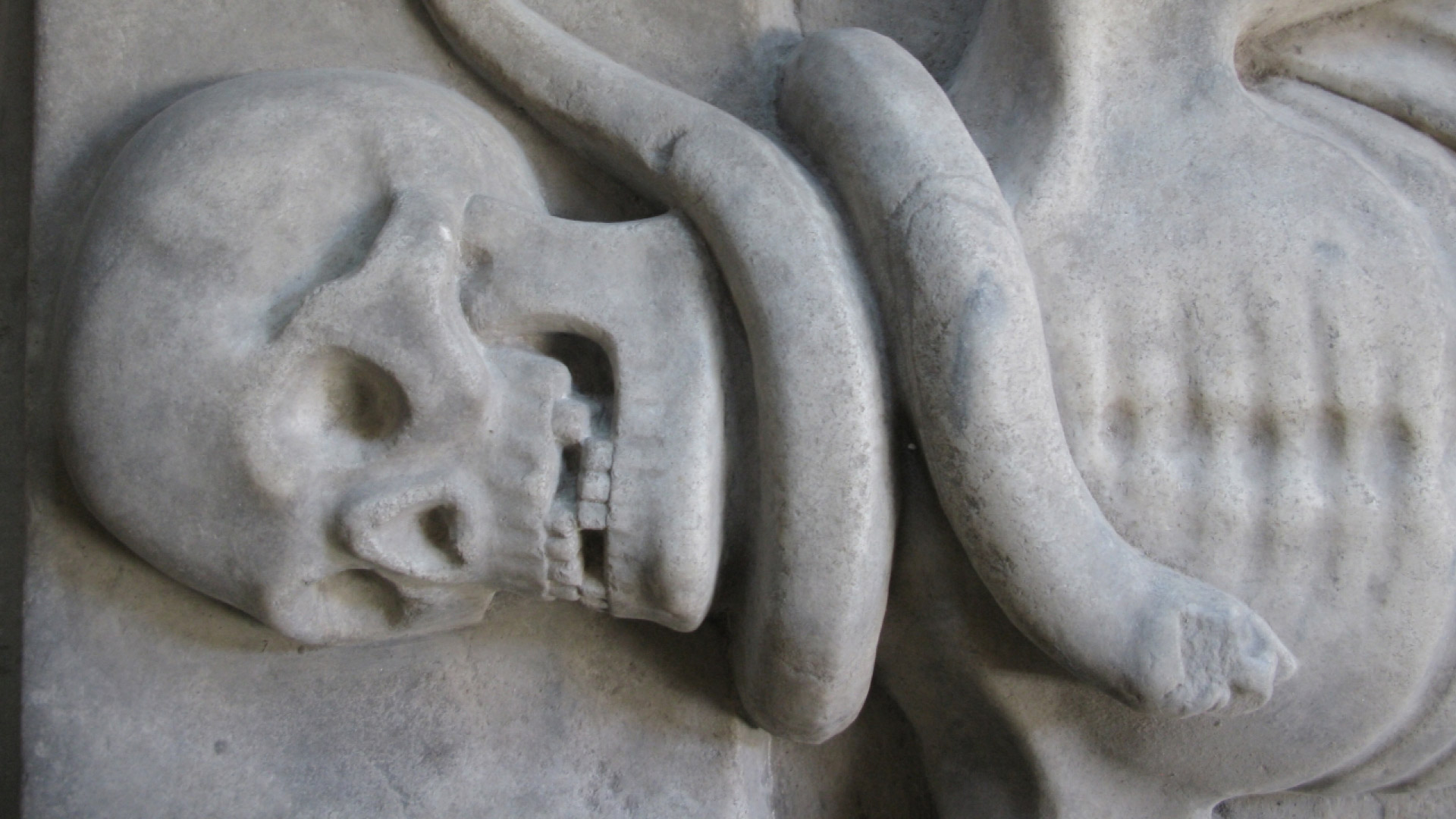
The Centre for Epigraphic and Sepulchral Studies (Epicentrum) operates within the Department of Documentation of the Institute of Art History of the Czech Academy of Sciences. It focuses on the research, documentation, and interpretation of historical inscriptions, sepulchral monuments, and funerary culture from the medieval to the early modern period, providing a platform for collaboration among scholars in the fields of art history, history, archaeology, classical philology, museology, and digital humanities.
Epicentrum builds upon the long-standing tradition of epigraphic and sepulchral research at the Institute of Art History and further develops the scholarly legacy of its founder, Jiří Roháček. In addition to fundamental research, the Centre is dedicated to the systematic documentation of monuments, the development of methodologies for their study, and the dissemination of research data in accordance with the principles of Open Science.
A key component of the Centre’s activities is the maintenance and development of the Historical Inscriptions Database, which currently contains more than 23,000 records of inscriptions on over 18,000 carriers, including monuments that no longer survive. The Centre also develops additional digital tools and database projects focused on epigraphic and sepulchral heritage and promotes their use in research, heritage management, and higher education.
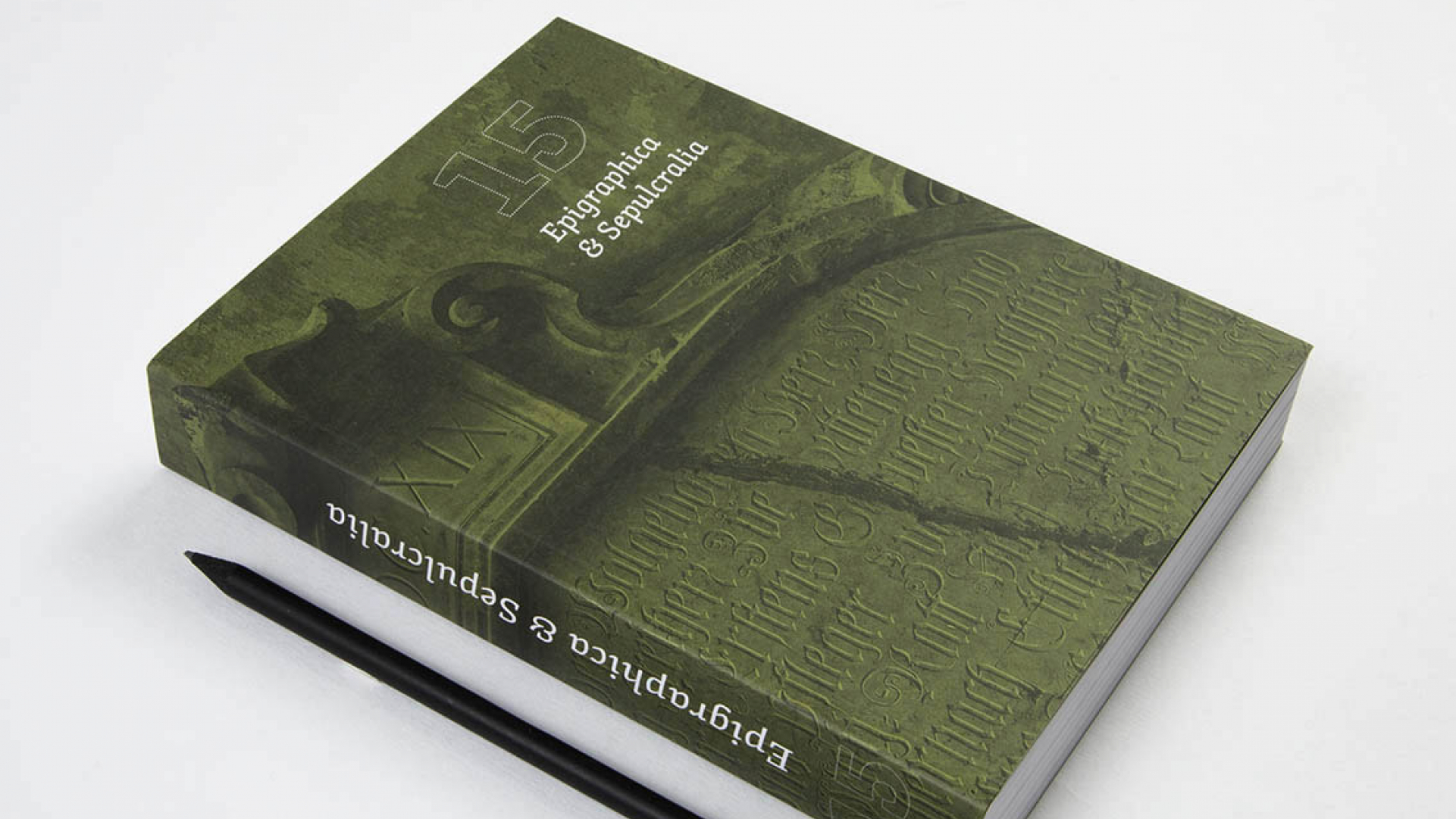
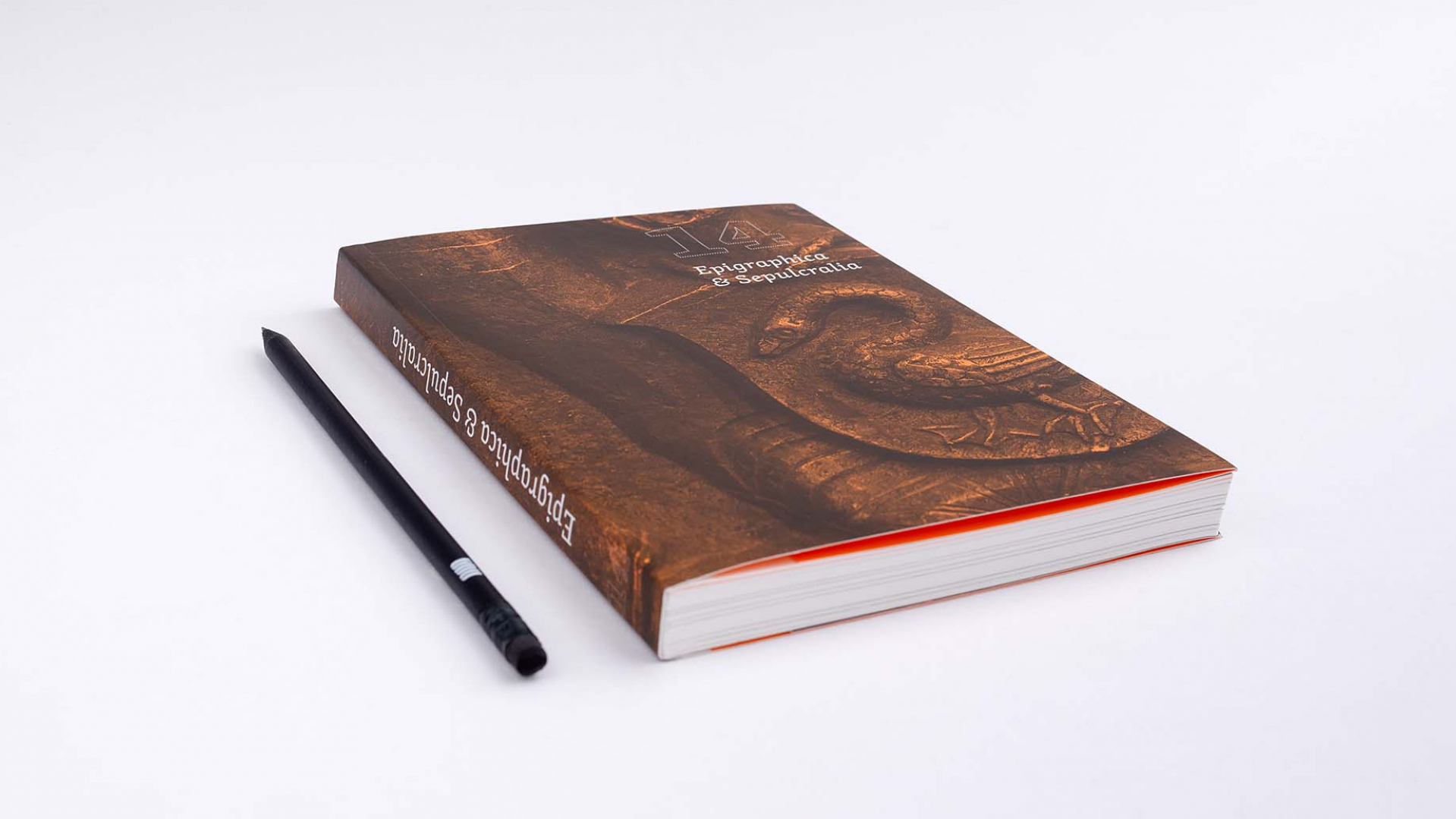
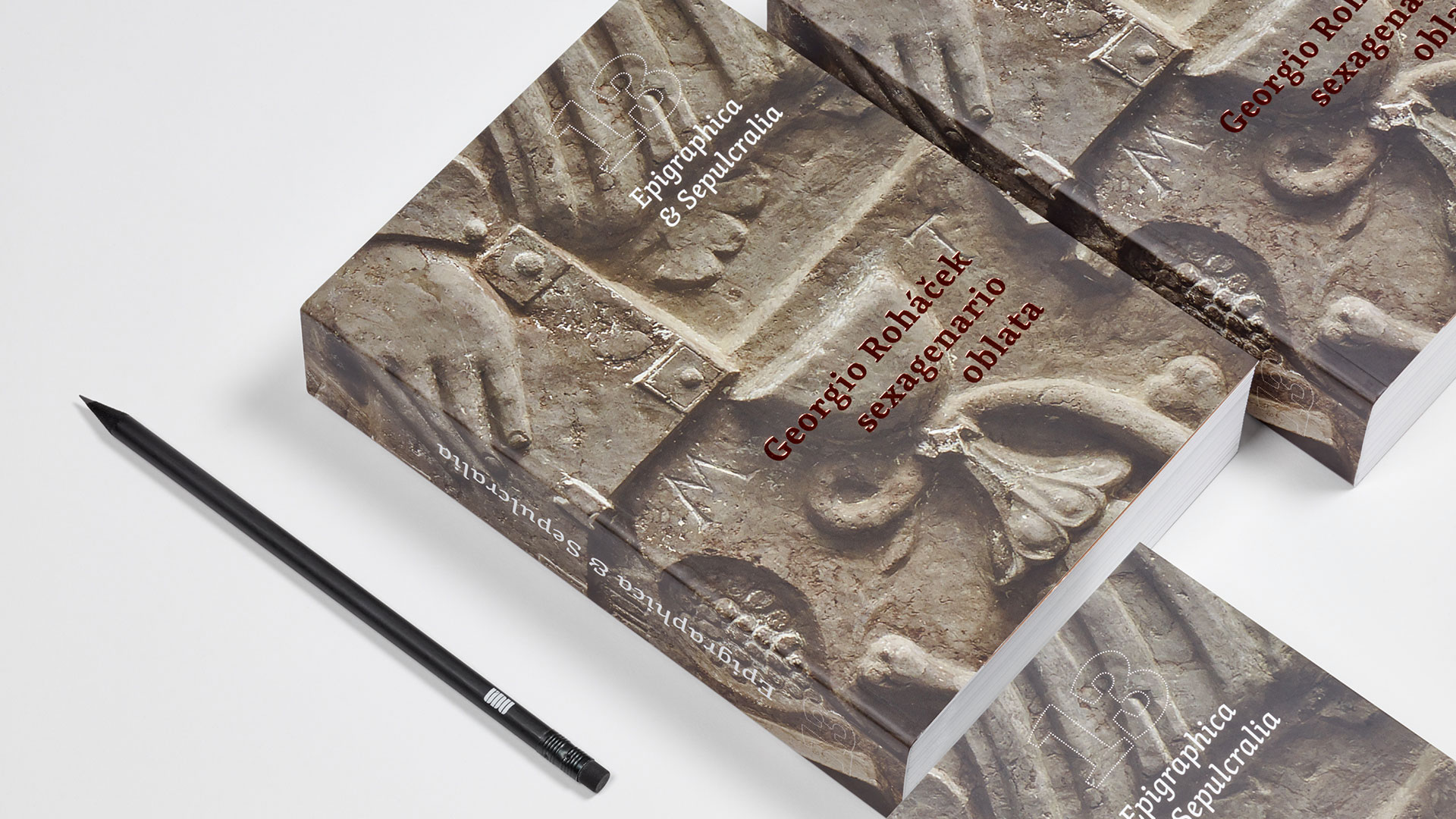
Epicentrum fosters international cooperation, organises scholarly meetings, workshops, and conferences, and contributes to academic publishing, particularly through the Epigraphica et Sepulcralia series. An integral part of its mission is the education and support of emerging scholars, the involvement of students in research activities, and the promotion of epigraphic and sepulchral heritage to both specialist and wider audiences.
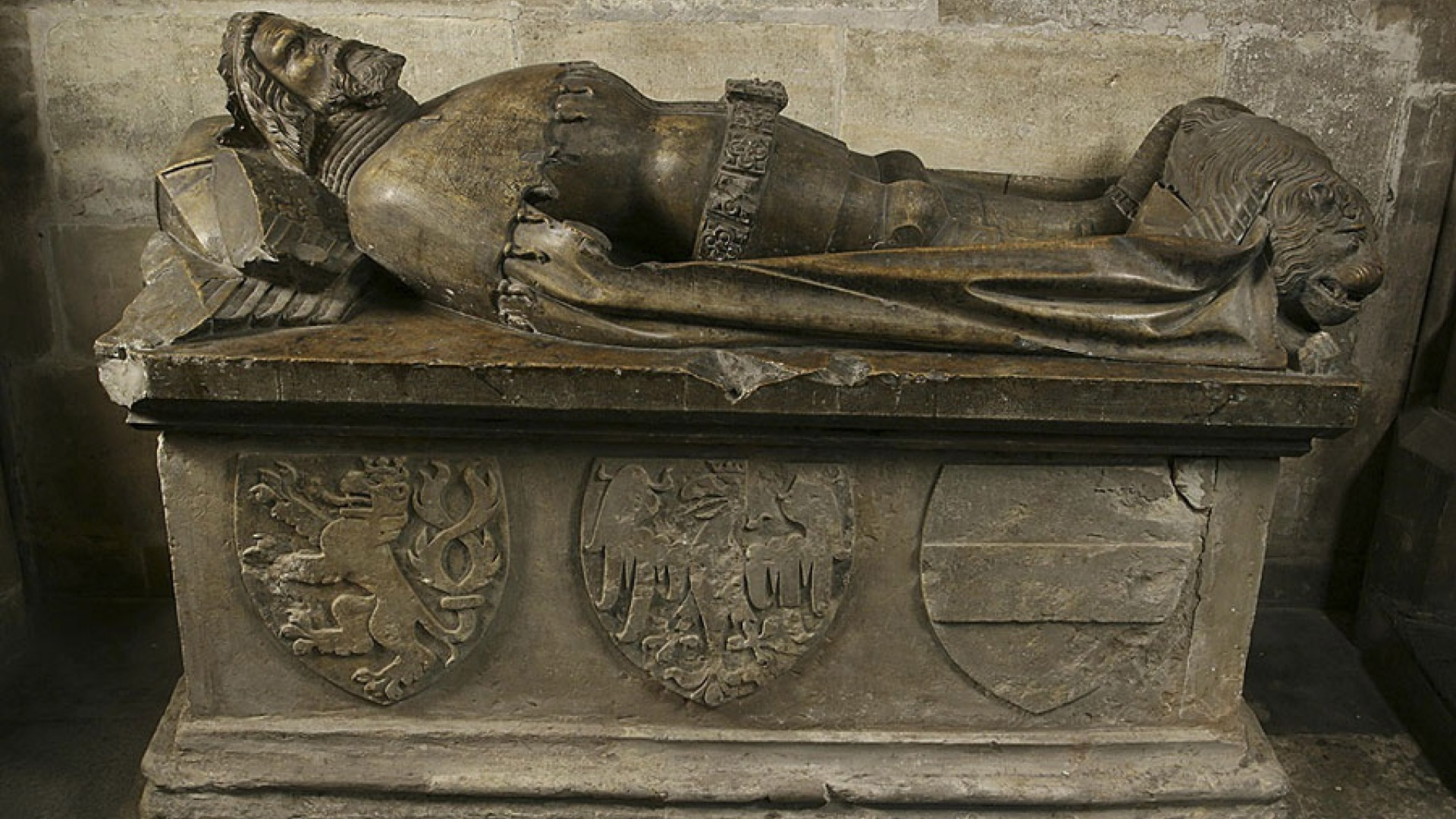
Epicentrum seeks to demonstrate that historical inscriptions and sepulchral monuments are not merely sources for the study of the past, but also a living part of cultural memory and an important resource for understanding society, identity, and the transformations of European culture.